



Umrah is a very special journey for every Muslim. But before you go to Makkah and Madinah, you need to get ready. Preparation is the most crucial step. A good checklist helps you start your journey without stress or worry. This guide outlines what to pack, how to organise your belongings, and what to expect upon arrival in Saudi Arabia.
Why You Need a Checklist
It's easy to forget small but important things when you're excited or nervous about travelling. A checklist keeps you calm. It helps you stay one step ahead. You won't face any last-minute panic or “I forgot my visa” moments.
Think of it like your travel partner. It reminds you to keep all your documents safe, to pack the right clothes for Ihram, and to carry items that make your stay easier. It also saves you time once you reach Makkah or Madinah, where shops can be busy and expensive.
How to Use This Guide
You can read this guide section by section as you pack. Keep your bag open beside you and check each part as you go. It's also good to keep a printed version of your checklist.
Packing & Travel Essentials
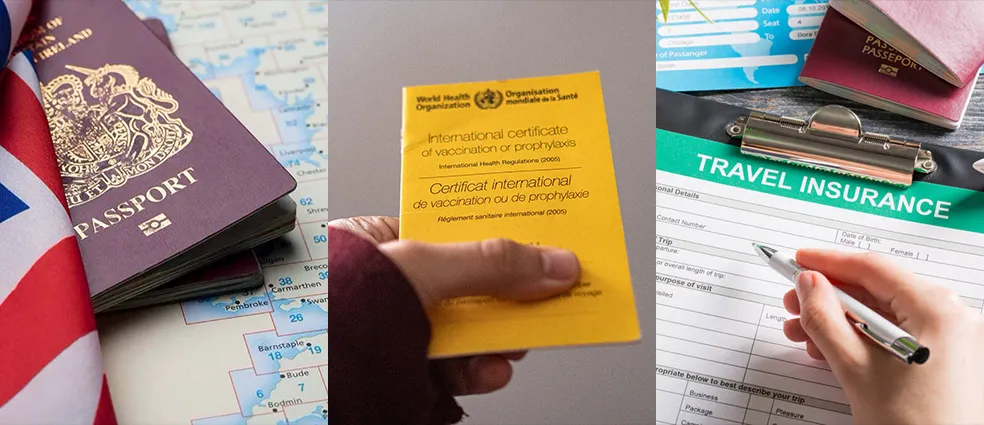
Before considering what to wear or eat, take the most basic yet essential step: preparing your travel documents. Without these, your Umrah journey can't even begin. Your travel documents should always be kept close to you. The most important items include your passport, Umrah visa, and flight tickets.
Passport
Your passport must be valid for at least six months from the date of your travel. If it's close to expiry, renew it early to avoid any airport issues. Also, print copies of your visa, hotel booking, and travel itinerary. Having an extra set of papers is a simple backup if something goes missing.
Vaccination Certificates
You should also carry your vaccination certificates, whatever that are needed.
Emergency Contact Number
Keep emergency contact numbers written down somewhere, not just saved in your phone. This list should include your group leader, your family, and your country's consulate in Saudi Arabia. If your phone battery dies or gets lost, this little note can save you a lot of trouble.
Travel Insurance and Safety Documents
Many people skip travel insurance, but it's actually beneficial. It can cover unexpected medical expenses, flight delays, or lost luggage. It's useful during long journeys when health or travel issues can happen without warning.
Also, carry an extra copy of your passport and ID card in a separate bag.
Budget and Money Tips
Money is another key part of your travel preparation. Having a mix of cash and cards keeps you safe and flexible. Bring around 400 to 500 Saudi Riyals (SAR) in cash to cover your first few days. Once you settle in, you can exchange more money at local shops or banks. Most people prefer using debit or credit cards for larger payments. However, for small daily expenses, such as food or transportation, cash is often the most convenient option.
Here's a simple table to help you plan your travel budget:
| Expense Type | Average Cost (SAR) | Notes |
| Meals | 30-70 | Depending on the restaurant or hotel. |
| Local Transport | 10-50 | Taxis or shared rides. |
| Shopping/Gifts | 100-300 | Optional. |
| Emergency | 200-400 | Keep it as a safety fund. |
Choosing the Right Bags
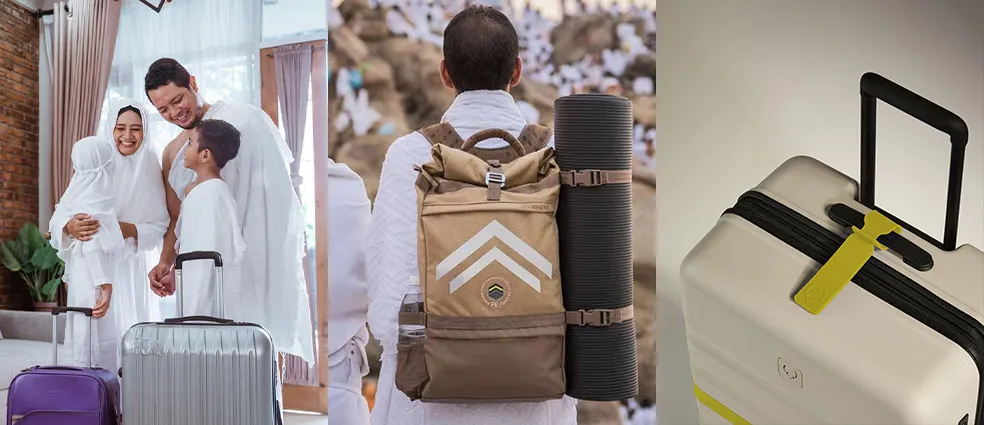
Your luggage can either make or break your trip.
Hard Shell Suitcase
Pick a hard-shell suitcase that locks properly. It keeps your belongings safe during flights and transfers. Avoid soft fabric bags, as they can tear or be easily opened.
Small Backpack
A small backpack is perfect for daily use in Makkah and Madinah. It should be lightweight but big enough to hold your essentials, such as a phone, a prayer mat, a water bottle, and a few tissues. A waist pouch is also helpful during Tawaf or Sa'i, as it keeps your valuables close and your hands free.
Luggage Tags
Before flying, add luggage tags with your name, hotel address, and contact number. You'll be surprised how many bags look the same at airports, so labelling yours clearly can prevent confusion.
Ihram Clothing and Modest Wear
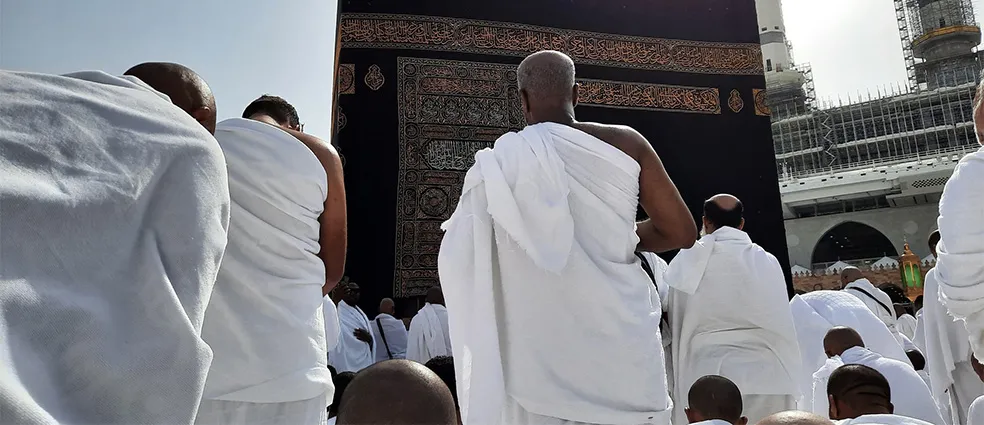
Ihram is one of the most sacred parts of Umrah. For men, it consists of two plain white sheets: one around the waist and one over the shoulder. They must not have any stitches. For women, there's no set colour, but clothes should be loose, modest, and comfortable.
Men should carry two sets of Ihram in case one gets dirty. Women can pack a few lightweight abayas or long dresses that allow for easy movement. Choose breathable fabrics, such as cotton, to stay cool. Also, pack some comfortable walking shoes or sandals.
Daily Clothing and Weather-Friendly Outfits
The weather in Saudi Arabia is usually hot, but it can get cooler in the evenings. Choose loose, cotton clothing that keeps you comfortable in the heat. Avoid wearing thick or fancy clothes, as comfort is more important than appearance during Umrah.
| Item | Why You Need It |
| Light cotton clothes | Keeps body cool |
| Extra hijabs or caps | For comfort and hygiene |
| Socks and undergarments | For daily use |
| Sweater or light jacket | For cooler nights |
| Sunglasses or hat | For sun protection |
Try packing outfits that mix and match easily, so you don't overpack. And remember: laundry services are readily available near most hotels in Makkah and Madinah.
Toiletries and Personal Hygiene
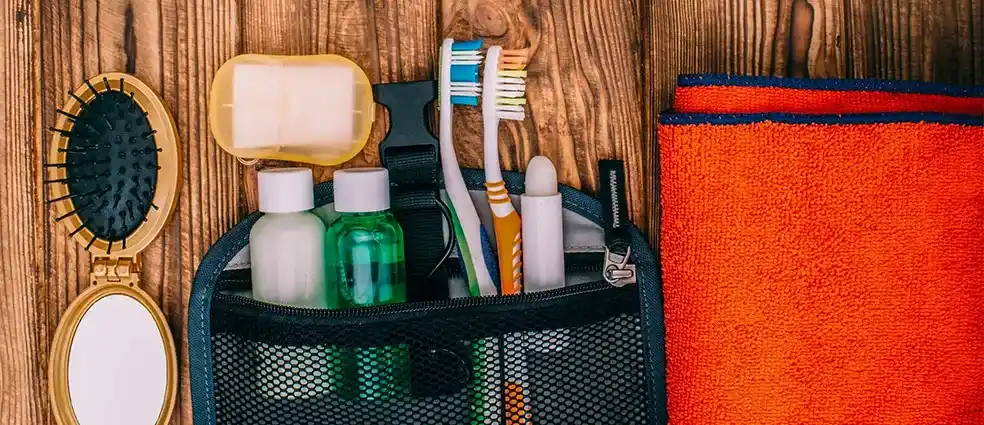
Your hygiene kit keeps you clean, refreshed, and comfortable. Bring travel-sized, fragrance-free products because perfume or scented items are not allowed during Ihram. Pack a toothbrush, toothpaste, soap, shampoo, and moisturiser: all unscented. Add hand sanitiser, nail clippers, and a small comb as well. Women should carry feminine hygiene products and disposable underwear if they prefer.
A small towel, tissues, and wet wipes will come in handy, especially during long days at the Haram. Remember to keep a small pouch for these items in your backpack for easy access.
Health and First Aid Essentials

Although Saudi Arabia has good healthcare, it's a good idea to carry a small first-aid kit. Include basic medicines for fever, flu, stomach upset, and headaches. If you take any regular medication, pack enough for the full journey plus a few extra days.
Keep a copy of your doctor's prescription with you, especially if you're carrying special medicines. Add some bandages, lip balm, and moisturiser (fragrance-free). The dry air can cause cracked lips and skin irritation.
Electronics You'll Actually Need
You don't need many gadgets, but a few essentials will make your trip easier. Bring your mobile phone, charger, and a universal travel adapter (Saudi plugs may differ from those in your home country). A power bank is helpful during extended visits to the mosque. You can also purchase a Saudi SIM card for local calls and internet use, although many people prefer to use WiFi.
If you like reading, a small tablet or e-reader can save space compared to carrying books. Don't forget your earphones for listening to Qur'an recitations or lectures during rest time.
Spiritual & On-Ground Preparation
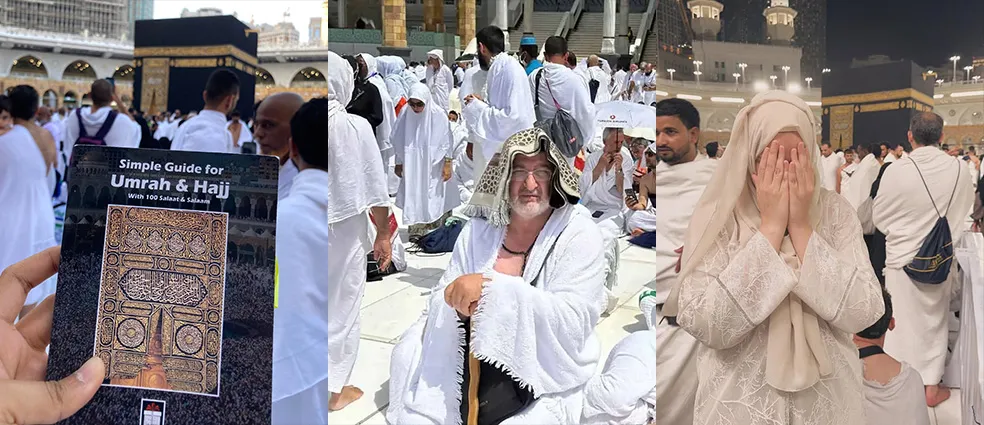
Before you step on the plane, take a moment to remind yourself why you're going. Umrah isn't a typical trip. It's a visit to Allah's house. Spend a few days before your flight in quiet reflection. Pray regularly, ask for forgiveness, and strive to rectify any wrongs you may have caused to others.
Learning the Steps of Umrah
Umrah has a simple structure, but knowing it beforehand helps you perform it correctly. It usually includes three main parts:
- Ihram: This is the state of purity you enter before crossing the Miqat (the boundary line around Makkah).
- Tawaf: You walk seven times around the Kaaba, starting from the Black Stone. Move calmly, without rushing.
- Sa'i: After Tawaf, you walk seven times between the hills of Safa and Marwah, remembering the story of Hajar (AS) and her search for water.
Once Sa'i is complete, men cut or shave their hair, and women trim a small part of theirs. That marks the end of your Umrah.
You can use a small pocket book or an app that guides you through each step. It's a simple way to stay focused even if you forget something.
Staying Safe in Crowds
The Haram can get crowded, especially during peak times. Agree on a meeting point in case someone gets separated. Near the main gates or specific landmarks works best. Taking a photo of your hotel name and street sign is also smart, as it helps if you forget your way back.
Performing Good Deeds During Your Stay
Your time in Makkah and Madinah passes quickly. Use every hour wisely. Read the Quran, perform extra Tawaf, and pray for forgiveness. You can also give charity quietly to those in need. Even a small act, such as giving someone a bottle of water, counts as sadaqah.
If possible, attend lectures or join small study circles in the mosque. Listening to scholars there helps deepen your understanding and keeps your focus on worship.
Final Thoughts
Visiting other historical sites, such as the Quba Mosque, Uhud Mountain, and Masjid Qiblatain, can help you experience the rich history of Islam. Each place carries lessons of patience, faith, and unity.
Your journey begins the moment you prepare. And with the right mindset and this checklist in hand, you can travel with confidence, knowing you're ready for both the journey and the worship that awaits you.
For complete assistance from flights to hotels, Makkah Travel offers trusted Umrah packages that make your pilgrimage stress-free and spiritually focused.
FAQs
Do I need to buy everything from home, or can I shop in Makkah and Madinah?
You don't have to carry everything from home. Most items, such as prayer mats, slippers, Ihram sheets, and toiletries, are readily available in Saudi Arabia.
What's the best kind of bag to take to the mosque every day?
A lightweight backpack or a small cross-body bag works best. It should fit your phone, a water bottle, a small Quran, and a prayer mat.
What should I do if I lose something important in Makkah or Madinah?
If you lose your passport or valuables, report it immediately to your hotel reception or the nearest police station. You can also contact your country's embassy or consulate in Saudi Arabia.
Is Wi-Fi available easily in Saudi Arabia?
Yes, most hotels and restaurants have Wi-Fi. You can also buy a local SIM card at the airport for mobile data.
Can elderly or sick people perform Umrah comfortably?
Yes. The Haram has facilities for wheelchairs, electric scooters, and elevators to assist elderly or weak pilgrims. You can rent wheelchairs or ask volunteers for help.
How can I keep my focus on worship during the trip?
Turn off distractions. Use your time in the Haram for Quran reading, Dhikr, and Dua. Limit unnecessary phone use, get enough sleep, and eat lightly.